
Welcome to our guide to Spanish vocabulary for the outdoors! Whether you’re planning a hike in the mountains, a beach vacation, or just enjoying a day at the park, it’s always helpful to know the basic terms for describing and enjoying the great outdoors in Spanish. In this guide, we’ll cover the essential vocabulary you’ll need to talk about outdoor activities, natural features, and the weather.
Boost your Spanish skills! Click here to check out my course. 🚀🌟
So grab your sunscreen, pack your bag, and let’s get ready to explore the great outdoors in Spanish!
Basic Nature Vocabulary in Spanish
This paragraph will provide a list of basic vocabulary related to nature in Spanish, including words for natural elements such as water, earth, and sky, as well as words for natural phenomena like weather and seasons.
- Naturaleza (nature)
- Montaña (mountain)
- Río (river)
- Lago (lake)
- Mar (sea)
- Océano (ocean)
- Playa (beach)
- Páramo (moor)
- Bosque (forest)
- Pradera (meadow)
- Cielo (sky)
- Sol (sun)
- Luna (moon)
- Estrella (star)
- Viento (wind)
Example Sentences for Basic Nature Vocabulary in Spanish
These sentences provide examples of how to use basic vocabulary related to nature in Spanish, including words for natural elements such as water, earth, and sky, as well as words for natural phenomena like weather and seasons.
- El sol está brillando en el cielo azul. (The sun is shining in the blue sky.)
- El viento sopla fuerte en la montaña. (The wind is blowing strongly in the mountain.)
- El agua del río es fresca y cristalina. (The water in the river is fresh and clear.)
- El océano tiene olas enormes hoy. (The ocean has huge waves today.)
- La playa está llena de arena y conchas. (The beach is full of sand and shells.)
Plants and Flowers
This paragraph will provide a list of vocabulary related to plants and flowers in Spanish, including common types of plants and flowers, as well as words for plant parts and features.
- Árbol (tree)
- Flores (flowers)
- Hierba (grass)
- Plantas (plants)
- Cactus (cactus)
- Palma (palm tree)
- Rosas (roses)
- Margaritas (daisies)
- Tulipanes (tulips)
Example Sentences for Plants and Flowers in Spanish
These sentences provide examples of how to use vocabulary related to plants and flowers in Spanish, including common types of plants and flowers, as well as words for plant parts and features.
- El árbol tiene hojas verdes y flores rosadas. (The tree has green leaves and pink flowers.)
- Las hierbas crecen altas en la pradera. (The grass grows tall in the meadow.)
- Los cactus tienen espinas y flores rojas. (The cactus has thorns and red flowers.)
- Las margaritas son mi flor favorita. (Daisies are my favorite flower.)
- Los tulipanes tienen hojas verdes y pétalos rojos. (Tulips have green leaves and red petals.)
Animals and Wildlife
This paragraph will provide a list of vocabulary related to animals and wildlife in Spanish, including common types of animals, as well as words for animal features and behaviors.
- Animales (animals)
- Aves (birds)
- Insectos (insects)
- Mamíferos (mammals)
- Pez (fish)
- Reptiles (reptiles)
- Anfibios (amphibians)
- Ardilla (squirrel)
- Cangrejo (crab)
- Delfín (dolphin)
- Elefante (elephant)
- Jirafa (giraffe)
- Leon (lion)
- Oso (bear)
- Pájaro (bird)
- Tigre (tiger)
- Zorro (fox)
Example Sentences for Animals and Wildlife in Spanish
These sentences provide examples of how to use vocabulary related to animals and wildlife in Spanish, including common types of animals, as well as words for animal features and behaviors.
- Los animales corren por el bosque. (The animals run through the forest.)
- Hay muchos pájaros volando en el cielo. (There are many birds flying in the sky.)
- Los insectos vuelan alrededor de las flores. (The insects fly around the flowers.)
- Los mamíferos tienen pelo y dan a luz a sus crías. (Mammals have hair and give birth to their young.)
- Los peces nadan en el océano. (Fish swim in the ocean.)
- Los reptiles tienen piel escamosa y muchos tienen patas. (Reptiles have scaly skin and many have legs.)
- Los anfibios viven tanto en el agua como en la tierra. (Amphibians live both in water and on land.)
Landscapes
This paragraph will provide a list of vocabulary related to different types of landscapes in Spanish, including words for different types of terrain and natural features, as well as words for man-made structures and features found in landscapes.
- Paisaje (landscape)
- Montañas (mountains)
- Valle (valley)
- Desierto (desert)
- Selva (jungle)
- Volcán (volcano)
- Cascada (waterfall)
- Cayo (cay)
- Isla (island)
Example Sentences for Landscapes in Spanish
These sentences provide examples of how to use vocabulary related to different types of landscapes in Spanish, including words for different types of terrain and natural features, as well as words for man-made structures and features found in landscapes.
- El paisaje es hermoso con las montañas al fondo. (The landscape is beautiful with the mountains in the background.)
- El valle tiene campos verdes y casas pequeñas. (The valley has green fields and small houses.)
- El desierto es un lugar seco y caluroso. (The desert is a dry and hot place.)
- La selva es un lugar húmedo y tropical. (The jungle is a humid and tropical place.)
- El volcán es peligroso y puede explotar en cualquier momento. (The volcano is dangerous and can erupt at any time.)
- La cascada tiene agua cristalina y es un lugar hermoso para nadar. (The waterfall has crystal clear water and
Outdoor Activities and Sports
This paragraph will provide a list of vocabulary related to outdoor activities and sports in Spanish, including common types of sports and activities that are typically done outdoors, as well as words for equipment and other items related to these activities.
- Actividades al aire libre (outdoor activities)
- Deportes al aire libre (outdoor sports)
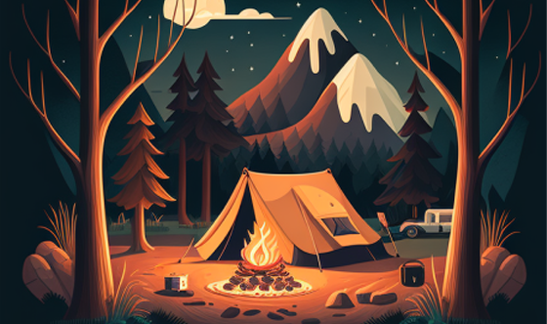
- Acampar (camping)
- Caminar (walking)
- Caza (hunting)
- Escalar (rock climbing)
- Esquiar (skiing)
- Hacer senderismo (hiking)
- Montar a caballo (horseback riding)
- Natación (swimming)
- Pescar (fishing)
- Surfear (surfing)
- Tiro con arco (archery)
Example Sentences for Outdoor Activities and Sports in Spanish
These sentences provide examples of how to use vocabulary related to outdoor activities and sports in Spanish, including common types of sports and activities that are typically done outdoors, as well as words for equipment and other items related to these activities.
- Vamos a hacer senderismo en la montaña. (We are going hiking in the mountain.)
- El senderismo es una actividad al aire libre muy divertida. (Hiking is a very fun outdoor activity.)
- Los corredores entrenan en la pista al aire libre. (Runners train on the outdoor track.)
- El ciclismo es un deporte al aire libre muy popular. (Cycling is a very popular outdoor sport.)
- El golf se juega en un campo al aire libre. (Golf is played on an outdoor course.)
- El paracaidismo es un deporte al aire libre emocionante. (Skydiving is an exciting outdoor sport.)
In conclusion, the vocabulary for the outdoors in Spanish is vast and varied, and includes words for natural elements, plants and flowers, animals and wildlife, landscapes, and outdoor activities and sports. Knowing this vocabulary can be useful for a variety of situations, such as planning a nature hike, describing the beauty of a natural setting, or participating in outdoor activities and sports in a Spanish-speaking country. With practice and exposure to these words, you can become more comfortable and confident using them in your daily conversations and written communication.

- Enroll in the premium Spanish course “from zero to hero“
- Book an online Zoom lesson
- Follow on X.com & YouTube